


TBA
Polyethylene is commonly used in food packaging, plastic wraps, food storage containers and beverage cup linings.
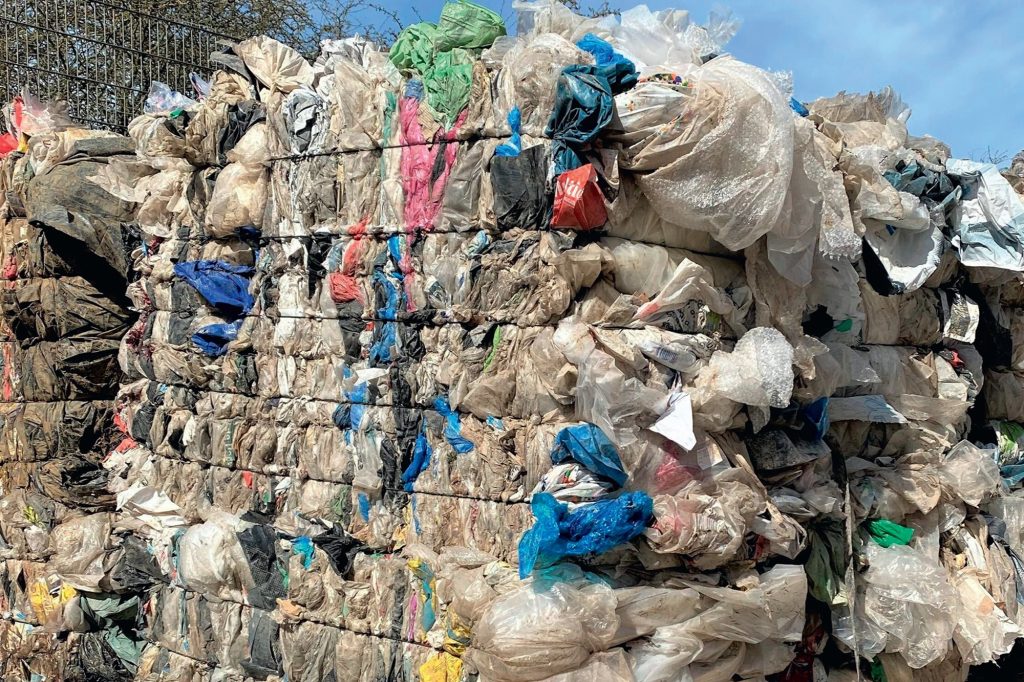

Findings that polyethylene — one of the world’s most widely used plastics — contributes to liver disease were surprising because it has long been considered one of the more biologically inert microplastics.
Microplastics have become nearly impossible to avoid. They have been detected in oceans, drinking water and even the human body, but scientists are still uncovering how they affect human health.
Now, researchers at the Texas A&M College of Veterinary Medicine and Biomedical Sciences (VMBS) have uncovered evidence that one of the world’s most common plastics may do more than pollute the environment. Their findings suggest that polyethylene may contribute to fatty liver disease and worsen the condition when combined with an unhealthy diet.
While scientists have previously studied other types of microplastics, polyethylene has received comparatively little attention despite accounting for roughly one-third of global plastic production. Because it is commonly used in food packaging, plastic wraps, food storage containers and beverage cup linings, researchers wanted to determine whether this widely used plastic could contribute to liver disease and, if so, how it produced those effects.